

Give each building material supplier the same model, quantity and delivery destination. Compare the price against the same usable coverage, confirm the sample, and ask who handles missing or damaged stock after delivery.
Use the checklist below to write one request for quotation (RFQ) for every bidder. Keep a separate line for each proposed substitute so the price of a different product stays visible.
Send the same quote request to each supplier
Give each bidder the same model code, finish, dimensions and quantity. Ask them to quote the same delivery term and named destination.
RFQ line to copy: model [ ] · finish [ ] · dimensions [ ] · quantity and unit [ ] · delivery term [ ] · named place [ ] · packing [ ]. Ask the supplier to list any included accessories, exclusions and proposed substitutes in writing.
| Shared input | Comparison question |
|---|---|
| Model and finish | Is the quoted reference exactly requested? |
| Dimensions | Are overall and effective coverage measurements identified? |
| Quantity | Are pieces, cartons and area using the same units? |
| Packaging | Does the offer include the same protection and labels? |
| Delivery | Does the price use the same destination and basis? |
| Documents | Does the evidence apply to the exact model? |
Use the RFQ preparation checklist to fill in the details before you send the request. Keep each quote, packing change and substitute next to the original request.
Shortlist the exact product before comparing prices
| If you are buying | Catalog example | What to compare |
|---|---|---|
| PVC ceiling panels | SC-2502, listed at 250 mm | Price per installed square metre using the width after joining and the supplied length. Itemize trims. |
| Self-adhesive mosaic sheets | NW-73-1, 30 × 60 cm | Price per sheet from the confirmed carton count. Check edge alignment before estimating coverage. |
| Peel-and-stick wallpaper rolls | WP-R01, listed at 0.53 × 3 m | Price per roll and the number of usable full-height strips after matching the pattern. Agree the finish and roll size. |
Match the currency and included charges before you compare the figures. List trims, labels and freight separately if a supplier has not included them.
Review identity and traceability
Ask each supplier to identify the product reference on the quotation, sample and packing information. Keep original finish references when the supplier uses internal codes.
This record helps your team reorder the correct product and investigate a complaint. It also prevents a broad catalog name from replacing the approved sample.
Use the public catalog as a browsing reference, then request current availability and terms. Catalog listings do not replace a current written quotation.
Use samples as a decision checkpoint
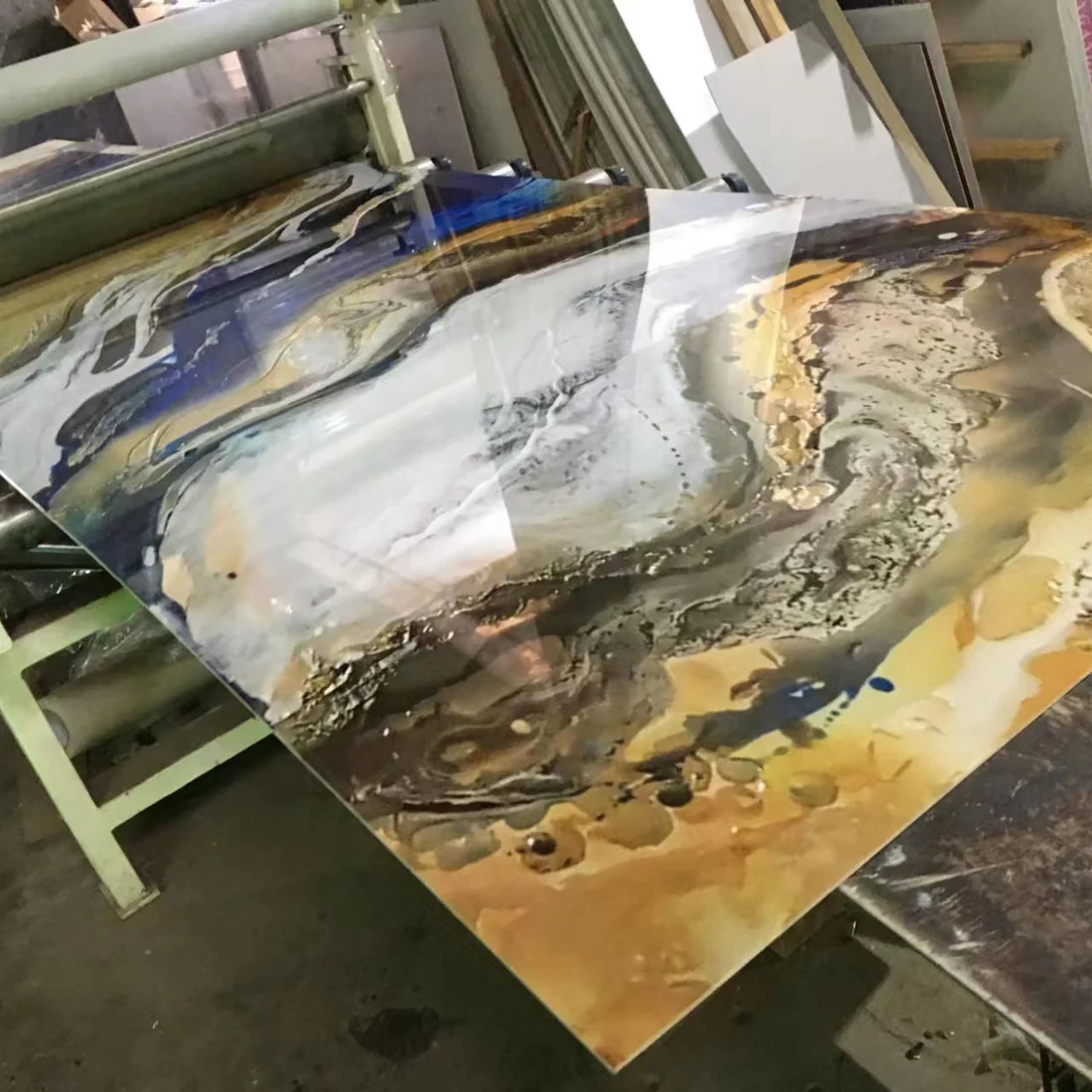
Review the finish, texture, edges and assembly behavior on the intended scale. Ask whether the sample represents the production construction and current finish.
For adhesive-backed coverings, test representative substrates using the selected product's instructions. For rigid profiles, check joints, trims and fixing details with the intended installation system.
Do not transfer a sample approval to another model or finish without written agreement. Keep dated photographs and the retained reference with your purchase file.
Request samples for your shortlist. Include the model codes, finish and delivery country so we can check what samples are available.
Ask for documents with a defined scope
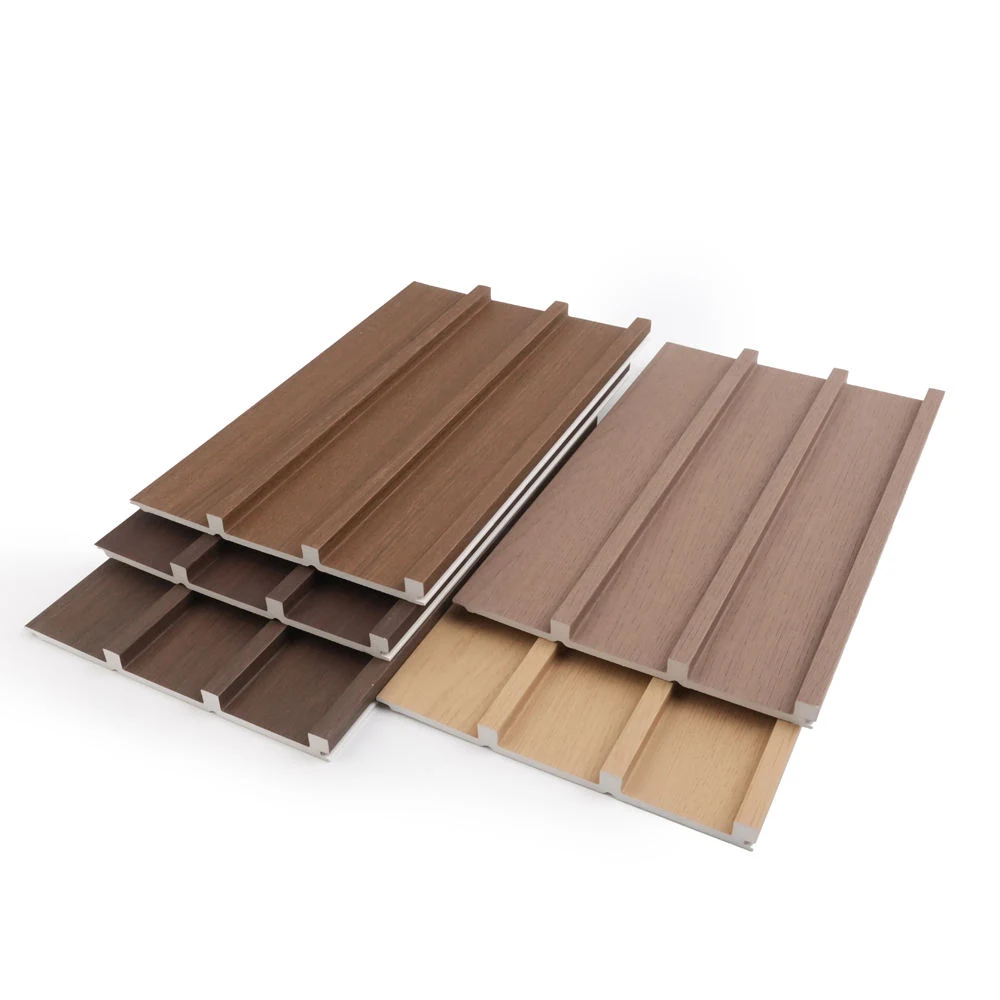
Request the document title, report identifier, test method and tested construction. Check whether the document names the quoted model or a different material.
Fire, emissions, acoustic and exterior claims need exact evidence. A supplier logo, room photograph or generic material name cannot establish project compliance.
| Evidence check | Buyer action |
|---|---|
| Product identity | Match model, finish and construction |
| Test scope | Read the tested assembly and limitations |
| Issuer and date | Record the document source |
| Destination need | Ask which standard applies |
| Open questions | Hold the claim until answered |
Use our quality-control page to structure document questions. The final project approval remains with the responsible professional.
Compare packing and order support
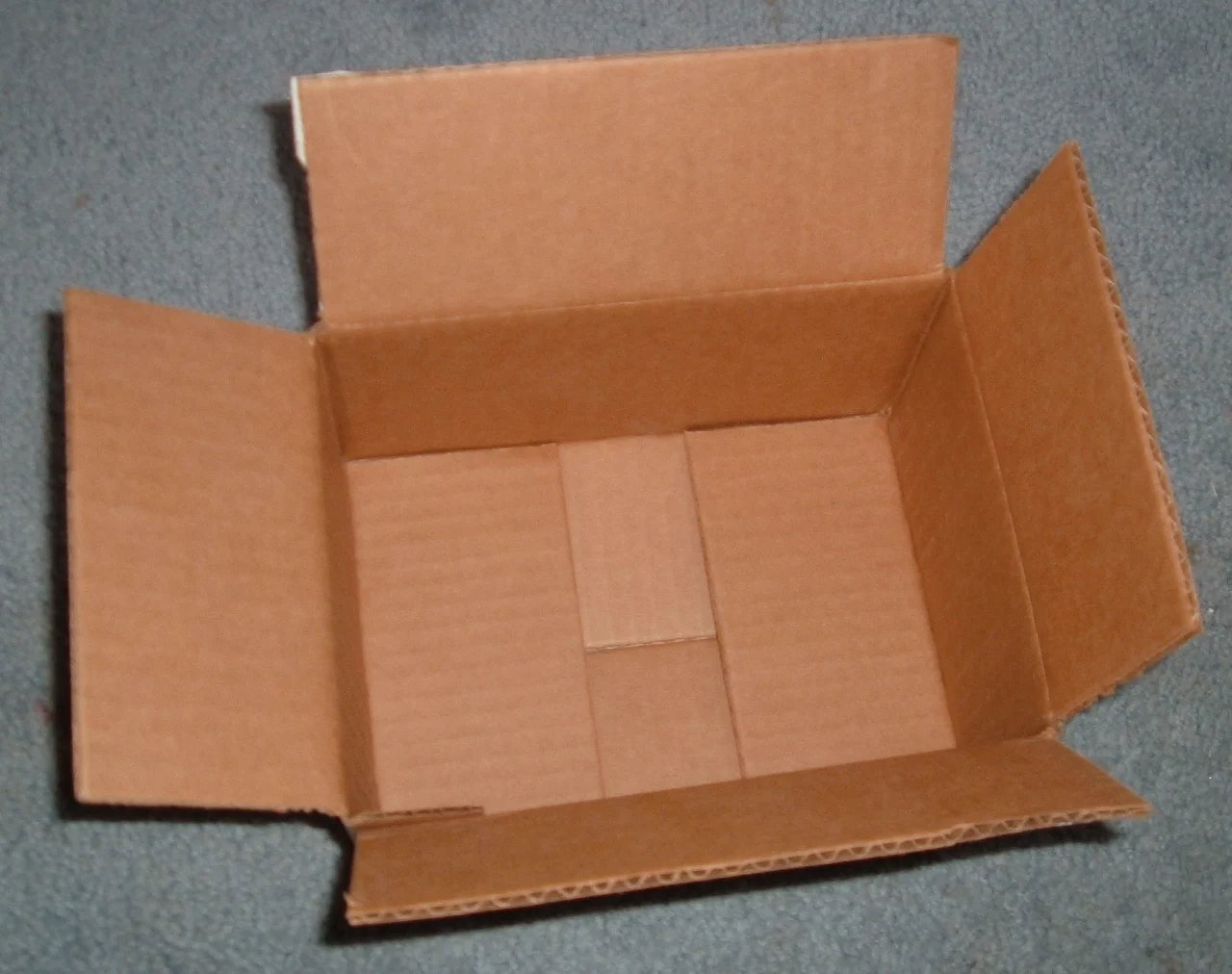
Ask for carton dimensions, gross weight, pieces per carton and protection method. These details affect freight, receiving and damage investigation.
Ask who handles changes before dispatch and damaged cartons after delivery. Give each supplier the same example of two cartons arriving crushed.
Ask for the claim contact, required photos, carton labels and reporting deadline. Record what remedies the supplier can offer alongside the quote.
Look for a reply that names the model, answers the question and identifies what remains open. A fast reply alone does not show how an order will be handled.
Build a decision record
Choose criteria that match your project rather than copying a generic scorecard. Keep price, technical acceptance, sample result, packing and communication as separate fields.
A score should summarize documented evidence, not create evidence where none exists. Ask a second reviewer to inspect the final comparison before placing an order.
Send the same shortlist to every bidder. Request a bulk quote for your selected models and list any details you still need confirmed.
Questions buyers ask
Is the lowest quotation the best supplier?
Not necessarily, because a lower number can omit accessories, documents or delivery scope. Compare accepted specifications and total costs first.
Should I select the supplier with the largest catalog?
A large catalog does not prove that every model is available or traceable. Shortlist the exact products your project can approve.
Does a sample prove long-term performance?
No, a sample helps review appearance and selected conditions. Performance claims still require applicable model-specific evidence.