

Choose between rigid PVC wall panels and peel-and-stick coverings by reviewing the wall condition, installation method and intended customer. Compare the exact products before deciding which range belongs in your project or store.
PVC identifies a material, while peel-and-stick describes an application method. A self-adhesive covering can also contain PVC, so the names are not mutually exclusive material categories.
Define the two constructions you are comparing
This guide compares rigid wall profiles with the self-adhesive decorative coverings in our catalog. It does not assign the same properties to every product using either name.
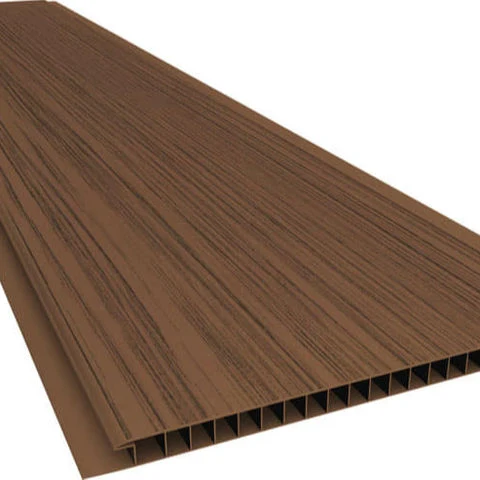
Our PVC ceiling and wall category includes different profile widths and formats. Our wall sticker category contains separate decorative ranges requiring their own construction and backing checks.
| Decision | Rigid PVC wall profile | Self-adhesive wall covering |
|---|---|---|
| Product identity | Section, thickness, edge profile and surface finish | Decorative layer, backing, adhesive and pattern |
| Installation review | Approved fixings, supports, joints and trims | Compatible substrate and application instructions |
| Sample review | Profile fit, finish and fixing detail | Appearance, seam fit and substrate compatibility |
| Packing review | Length protection, edges and handling | Pattern edges, backing and retail pack format |
| Order basis | Confirm pieces, length or area | Confirm sheets, rolls, packs or area |
Match the range to your customer and installer
Ask whether your customer has an installer who can review fixing and trim requirements. If you sell through retail channels, consider the installation guidance your staff can realistically provide.
Self-adhesive does not mean suitable for every wall or every customer. A poor match between the substrate and adhesive can create complaints regardless of the decorative finish.
Rigid panels also require a model-specific installation plan. Do not assume they can bridge damaged walls or use any available adhesive.
Check the wall before promising an application
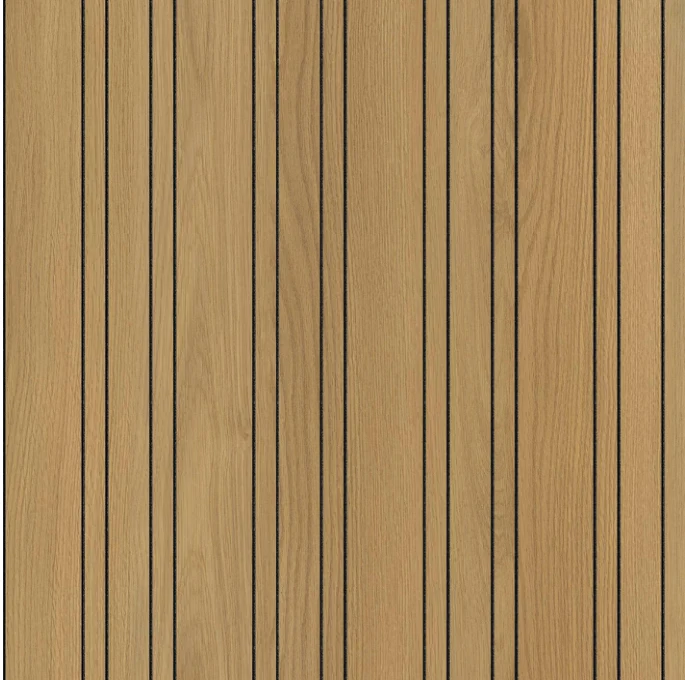
Record the substrate, surface condition, exposure and intended location. Ask for confirmation of the selected product's installation limits before publishing application claims.
Bathrooms, cooking areas, exterior walls and escape routes can require different evidence. A room photograph or a material-family name does not establish suitability.
Keep performance approval separate from decorative approval. A buyer can like the finish while still needing documents for the actual project.
Compare the total job or retail launch cost
Use the same wall dimensions and required finish when comparing project costs. Include preparation, installation components, cutting, labor and delivery where they apply.
For a retail range, add packaging, instructions, storage and customer support to the purchasing comparison. A smaller initial material bill does not automatically create a more profitable range.
| Cost question | Why it affects your decision |
|---|---|
| What wall preparation is required? | Determines work outside the material supply |
| What tools or components are needed? | Identifies missing installation purchases |
| What is the useful coverage? | Connects unit pricing to the required wall area |
| How is the product packed? | Affects shipping, receiving and customer presentation |
| What instructions must we provide? | Defines translation and support work |
| What replacement stock is needed? | Supports later repair or customer service planning |
For rigid profiles, use our price-per-m² comparison. For retail coverings, review the private label packing brief.
Compare samples before expanding the range
Request samples that represent the exact constructions and finishes being quoted. Review them against your intended sales channel or project conditions.
- Identify the wall surface, exposure and installation responsibility.
- Compare finish samples under the intended lighting.
- Review the profile joint or covering seam as an assembly.
- Confirm useful coverage and ordering units.
- Review required documents and written installation guidance.
- Compare packing, quotation scope and after-sales requirements.
Use the wall covering sample workflow when evaluating adhesive-backed products. Retain your approved references so repeat orders use the same specification.
Send a brief based on the actual application
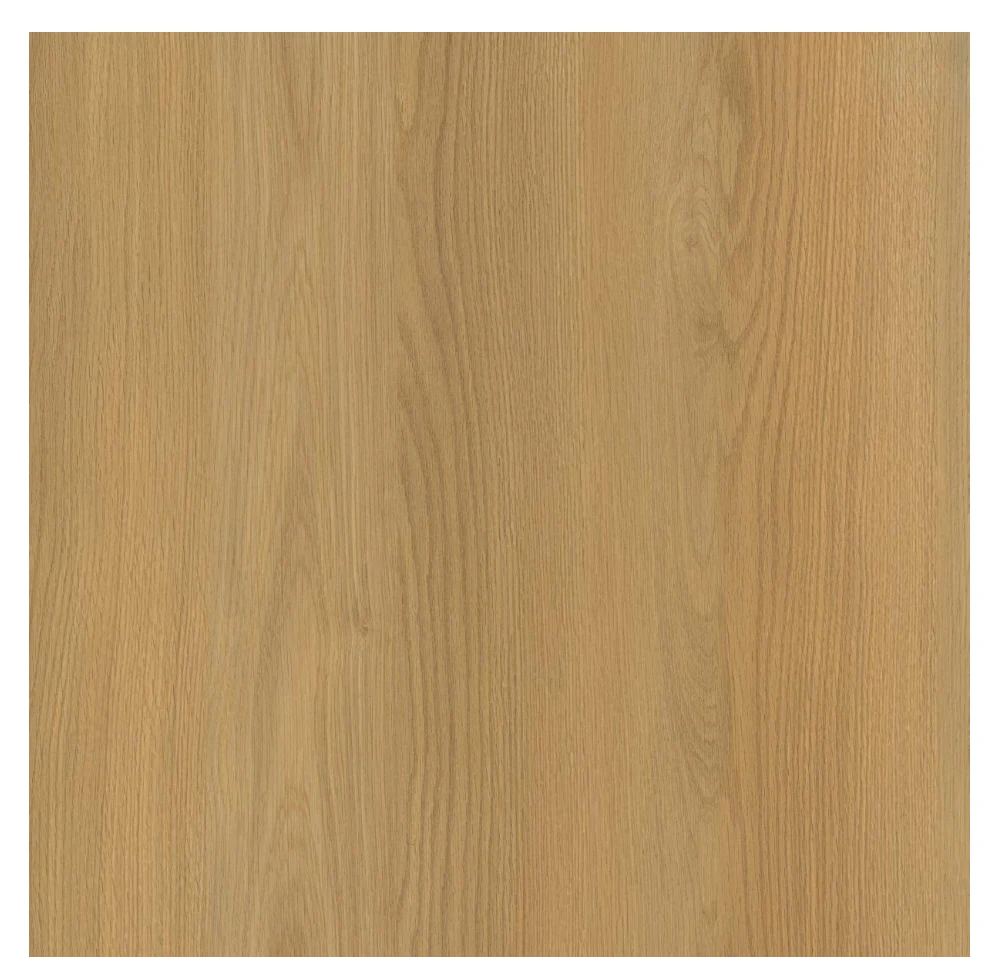
Tell us who will buy or install the material and where it will be used. Include the wall surface, quantity, destination and shortlisted references in your inquiry.
We can use that brief to identify which specifications still need confirmation. Final suitability and commercial terms depend on the selected product and project requirements.
Questions buyers ask
Are peel-and-stick panels always removable?
No, removability depends on the construction, substrate and removal method. Confirm it through suitable instructions and representative sample evaluation.
Can self-adhesive wall coverings replace ceiling profiles?
Do not treat them as interchangeable products. Overhead installation needs explicit approval for the exact covering and installation system.
Which option is cheaper?
There is no universal cost winner without matching the specification and scope. Compare delivered materials and the work needed for your application.