

A wholesale wall covering range works better when each product answers a different buying need. Start with customer requests, then select finishes your sales team can explain clearly.
Buying several similar colors can leave you with more stock than useful choice. We recommend giving each candidate a defined customer, display purpose and reorder reference.
Start with the customers your business serves
Your first range should reflect how customers buy from your business. A renovation shop, regional distributor and project showroom can need different assortments.
Use recent inquiries, counter conversations and requested samples to identify recurring needs. Write down the requested appearance, intended wall surface and buying quantity together.
| Buyer segment | Question your range should answer | Useful evidence to collect |
|---|---|---|
| Renovation and decorating retailers | Can customers understand the finish and application? | Counter questions and sample feedback |
| Regional building material distributors | Can dealers identify and reorder each product? | Dealer requests and order history |
| Interior project showrooms | Can buyers compare texture and layout for their brief? | Project requirements and sample approvals |
If you serve several segments, give each one a separate shortlist. This makes overlapping requests visible before you combine them into a purchase.
Give each finish a distinct selling role
Choose different roles before choosing more colors. A flat covering, fluted pattern and brick layout give buyers different comparisons.
Our wall covering catalog separates these collections by format and appearance. The examples below are shortlist options, not evidence of local demand or current stock.
| Catalog reference | What it adds to your range | Confirm before ordering |
|---|---|---|
| WS-GS-01P | Flat textured GS-P finish; an alternative to fluted patterns | Backing, thickness and selected format |
| WS-GH-01 | Fluted GH pattern for a grooved decorative choice | Backing and selected format |
| WS-TA-01 | Flexible ceramic-look texture; distinct from rigid tile | Actual material construction and backing |
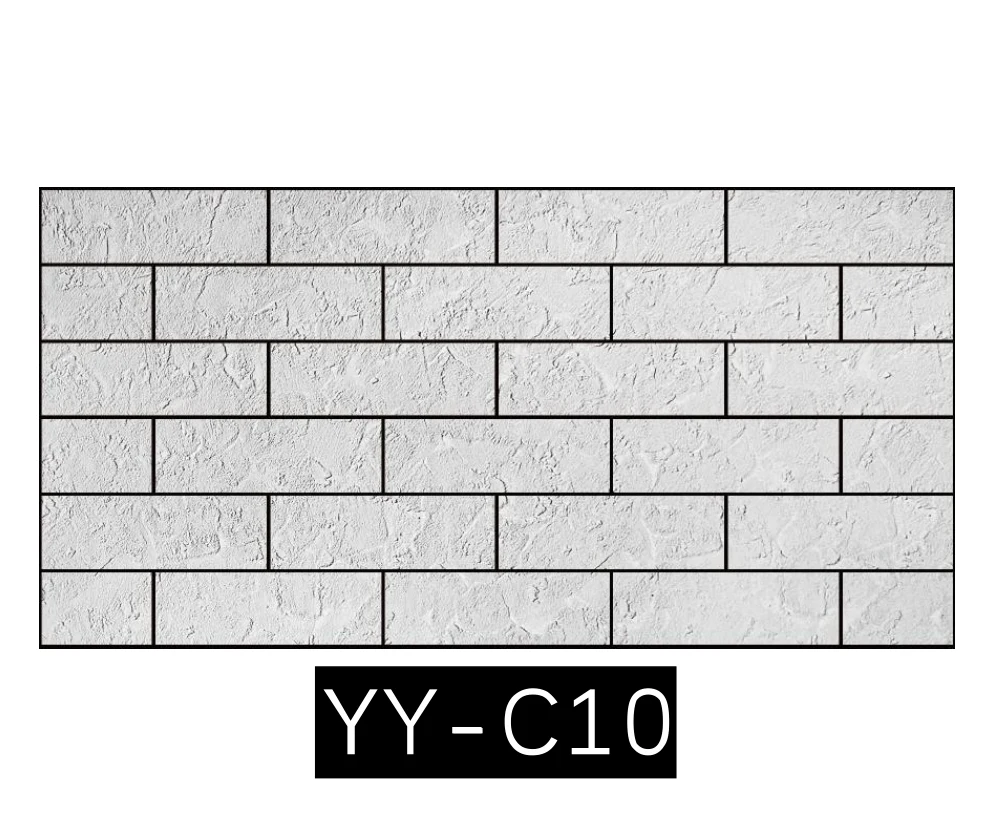
| WS-YY-C10 | Repeating brick-pattern mosaic; a different layout from flat finishes | Current format, backing and packing |
TA is a flexible decorative covering, not a ceramic tile specification. Keep that distinction visible on your shelf label and quotation.
GS-P is the flat textured collection, while GH has a fluted pattern. Similar room colors do not make those constructions interchangeable.

Confirm the format before comparing stock costs
One finish reference does not settle every purchasing detail. Ask for the exact construction, backing and dimensions proposed for your order.
Some catalog collections mention sheet and roll formats requiring confirmation. The listed YY-C10 format is 300 × 600 mm, with current order details confirmed separately.
Record nominal size, useful coverage and pieces per selling pack in separate columns. This helps your team compare products using the same purchasing basis.
| Buying detail | What to record | Why it affects your range |
|---|---|---|
| Product identity | Catalog code and original finish reference | Keeps quotations and reorders connected |
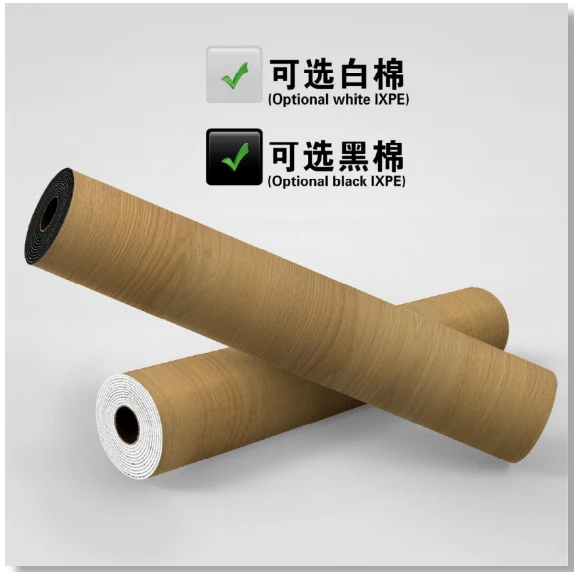
| Construction and backing | Confirmed material, layers and adhesive arrangement | Defines application instructions |
| Selected format | Width, length and sheet or roll unit | Defines the product customers receive |
| Retail and carton quantities | Pieces per pack and packs per carton | Connects selling units with stock handling |
| Commercial terms | Current MOQ, price basis and delivery terms | Determines whether the trial fits your budget |
Carton quantity is not the same as minimum order quantity. Confirm both for the selected finish and packaging version.
Separate display samples from stock commitments
Display samples help your customers compare texture without requiring a full stock commitment. Keep sample-only options clearly marked in your showroom and internal range sheet.
Approve the selected construction on representative surfaces before making installation claims. Our sample review guide gives your team a practical recording workflow.
Present one sample for each distinct selling role first. Add nearby colors only when buyer feedback gives you a clear reason.
Use side-by-side samples to check whether buyers understand the differences. If two finishes attract the same requests, consider retaining one as a sample-only alternative.
Allocate trial stock using your own buying evidence
There is no universal stock ratio for a new wall covering range. Use your customer requests, receiving capacity and cash limit to propose quantities.
Separate quantities for confirmed customer requirements from quantities for an exploratory trial. Ask the supplier which proposed combinations meet current minimum quantities and carton arrangements.
- Identify the customer need behind each proposed finish.
- Record requested pieces and the confirmed selling unit.
- Set your trial budget and maximum warehouse allocation.
- Confirm whether finishes can share an order or carton.
- Set a review date before adding further colors.
If the confirmed minimum exceeds your trial budget, revise the shortlist before ordering. You can request samples while discussing a smaller or different commercial scope.
Include confirmed transport and packaging costs when comparing the options. Use our private label packaging guide when you need retail packs or branded labels.
Review the range before expanding it
Count sales in the same unit you used when receiving stock. Compare sold units with units available during your chosen review period.
Keep trial periods comparable when reviewing different finishes. A newly displayed product should not be judged against one promoted for months.
Track customer questions and rejected samples alongside sales. Repeated confusion about backing or coverage can identify a display problem before you place another order.
| Review measure | Buying decision it supports |
|---|---|
| Sales by finish and selling unit | Which products justify another stock commitment |
| Requests without a matching product | Which distinct role may be missing |
| Questions and returns by reason | Which descriptions or application guidance need revision |
| Repeat orders by customer | Which references buyers can identify again |
| Remaining stock and confirmed lead time | When to discuss the next purchasing window |
Do not expand solely because a finish photographs well. Choose the next addition using recorded buyer needs and confirmed order conditions.
Send us a shortlist your supplier can quote
We are a Haining-based trading and sourcing business. We can review your selected references and seek supplier confirmation for the proposed order.
Send your customer segment, destination, model codes and proposed quantities through our inquiry form. Include required format, backing, packaging and the samples you need to approve.
Plan your wall covering range with three starting references you can revise. You can also use our Alibaba.com storefront if that fits your purchasing workflow.
Use the same exact model codes on either channel. This keeps the sample request, quotation and final selection connected.